Views: 24
In the 21st century, language is no longer just a tool of communication — it is a gateway to opportunity, influence, and global leadership. As borders become increasingly digital rather than geographical, those who can think, learn, and collaborate across languages will shape the future of education, innovation, and culture.
Discover how multilingual classrooms foster innovation and shape our future in a globalized world.
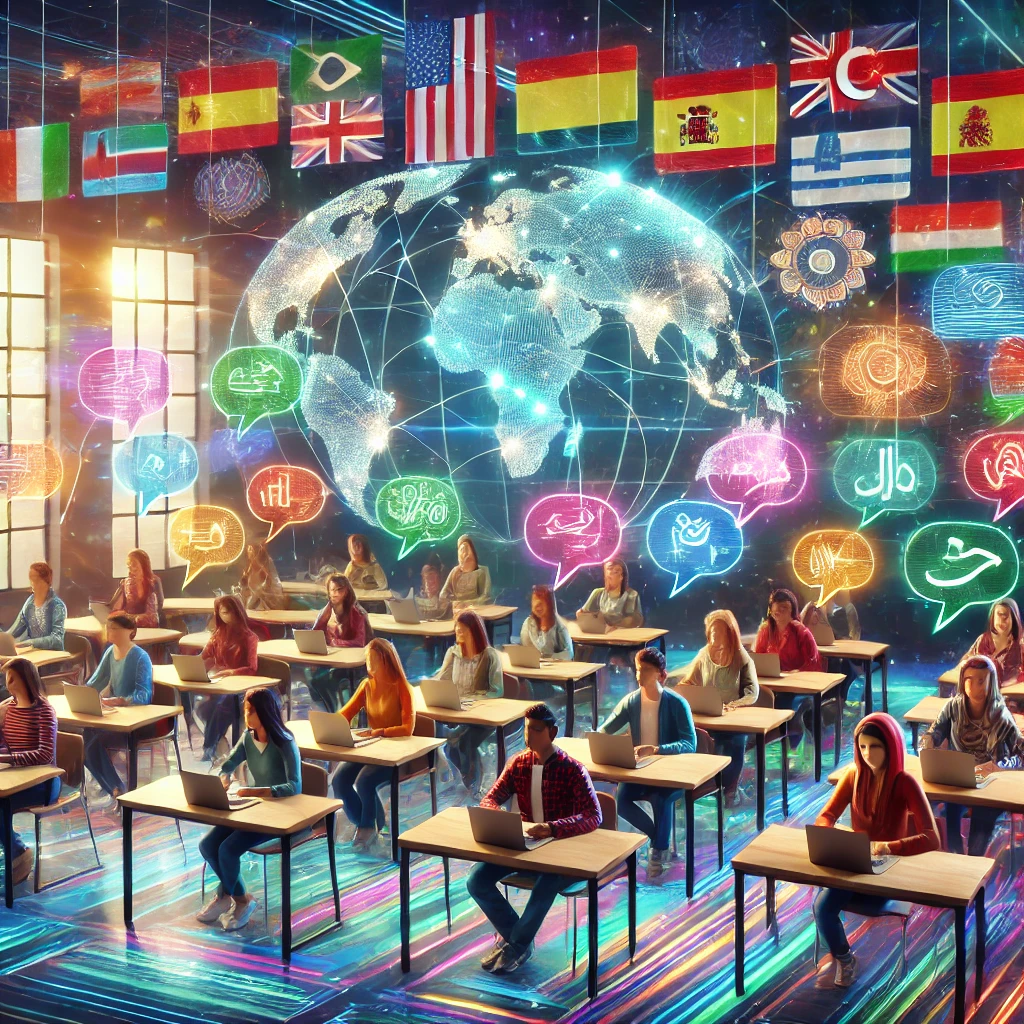
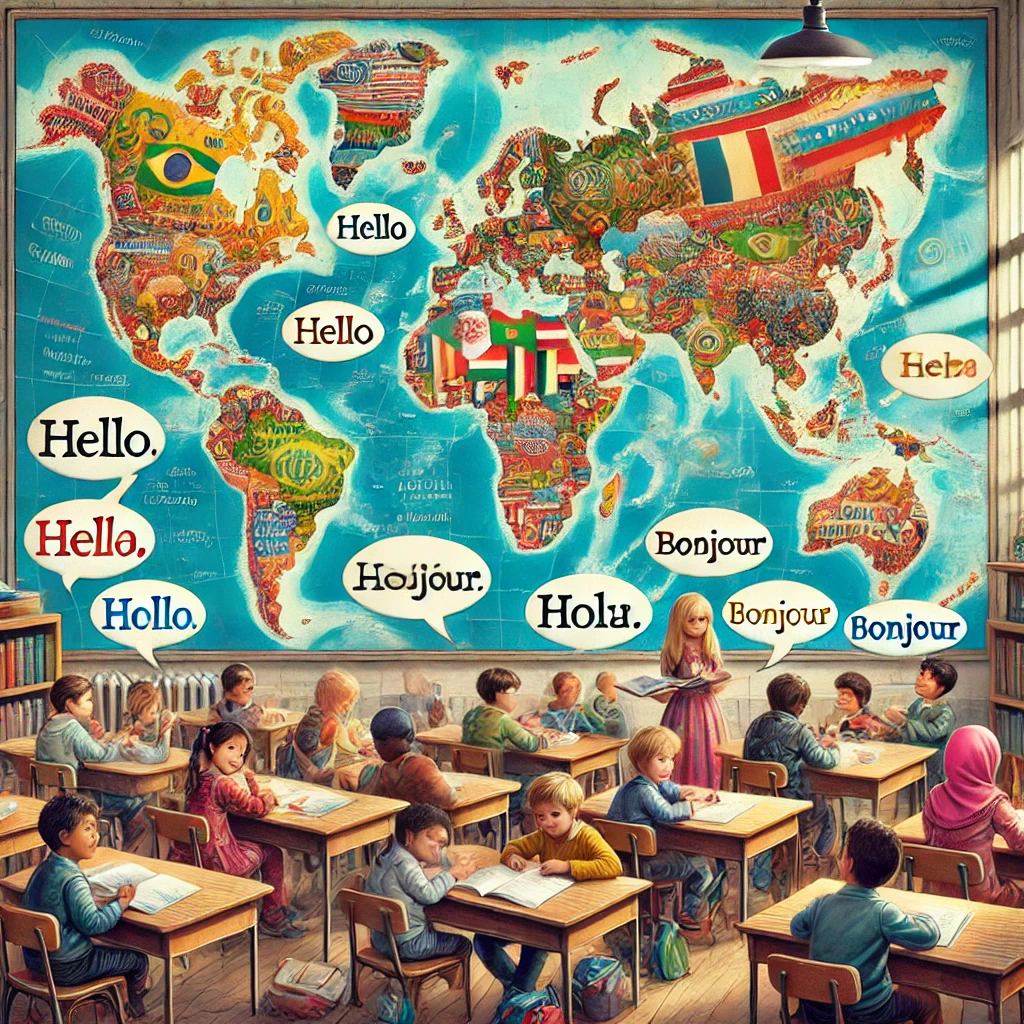
Multilingual classrooms reflect the emerging reality of global education — a world where linguistic diversity fuels innovation, empathy, and cross-cultural understanding.
In the 21st century, language is no longer just communication — it is influence, identity, and access to opportunity in a global world.
🌍 Why this matters today:
In a rapidly globalizing world, the ability to think beyond one language is becoming a powerful advantage. Multilingual minds are shaping innovation, diplomacy, education, and culture across borders.
This article explores why multilingual thinking will define tomorrow’s leaders.
In 2026, as global collaboration accelerates through technology and migration, multilingual ability is becoming more important than ever.
Multilingual minds are individuals who can think, communicate, and solve problems across multiple languages. Research shows that such cognitive flexibility enhances creativity, adaptability, and global competence — skills increasingly essential in the modern world.
Multilingual minds are not merely language learners — they are cultural bridge-builders capable of navigating complex global challenges.
🌍 The Future Belongs to Multilingual Minds: A Global Perspective
Why multilingual thinking will shape the future of education, culture, and global leadership.
The world is becoming multilingual — whether we are ready or not.
The future will belong to multilingual minds capable of connecting cultures, ideas, and innovations: multilingual intelligence.
Moreover, multilingual ability is becoming a defining skill of modern leadership. According to research, multilingual individuals show enhanced cognitive flexibility. UNESCO emphasizes that multilingual education improves learning outcomes and cultural understanding worldwide.
For centuries, language has defined borders. It has separated cultures, restricted access to knowledge, and created invisible hierarchies of power. Yet today, in the age of global connectivity, the very concept of a “single-language world” is becoming obsolete. Multilingualism is associated with cognitive flexibility and cross-cultural competence.
The future belongs to those who can think beyond one linguistic frame. Scientific studies show that multilingual individuals often develop stronger executive brain functions.
At Write Beyond Borders, we are building a multilingual ecosystem that connects ideas through our Magazine, educational platforms, and interactive knowledge hubs.
🌟 Key Insight: Multilingual individuals are not just bilingual speakers — they are cognitive bridge-builders capable of connecting ideas, cultures, and innovations across the world.
Language Is Not Just Communication — It Is Cognition
When a person learns multiple languages, something profound happens. The brain does not merely store new vocabulary. It reorganizes itself. According to UNESCO, multilingual education enhances learning, cultural awareness, and global cooperation in an interconnected world.
Multilingual individuals develop:
- Greater cognitive flexibility
- Enhanced problem-solving ability
- Stronger empathy across cultures
- Better adaptability in complex environments
Language reshapes thought patterns. Each language carries a worldview — a structure of perception, emotion, and reasoning. To know more than one language is to see reality through multiple lenses.
In a rapidly shifting world, that is not a luxury. It is a survival skill.
Education Must Evolve Beyond Borders
Traditional education systems were designed for industrial economies. Standardized. Monolingual. Linear. However, the modern world demands a far more flexible and global approach to learning.
Our Hub of Educational & Knowledge Games is designed to make multilingual learning engaging, interactive, and intellectually stimulating.
But the 21st century demands something different. Education Must Evolve Beyond Borders.
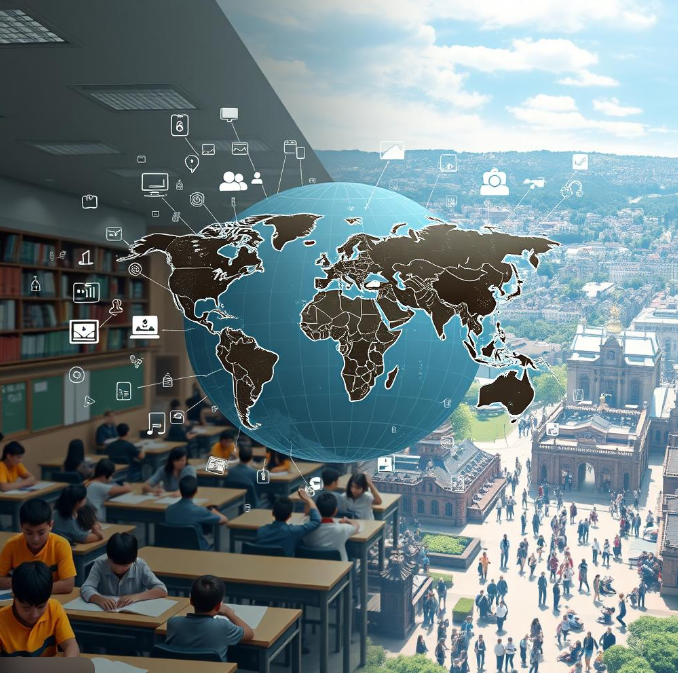
Children growing up today will collaborate across continents. Therefore, education must prepare them to think beyond linguistic and cultural boundaries. They will solve global problems: climate change, artificial intelligence ethics, digital governance, and cultural preservation.
How can they solve global problems with a narrow linguistic worldview?
Multilingual education is not about grammar drills. It is about cognitive expansion.
It builds citizens of the world.
“Multilingual intelligence is not merely an academic advantage — it is a foundation for global citizenship in the 21st century.”
Multilingual Thinking in the Digital Age
In the digital era, ideas travel faster than ever before. People collaborate across countries, cultures, and time zones daily.
Multilingual individuals navigate this global landscape more effectively, accessing diverse sources of knowledge and participating in international conversations.
In a connected world, language is not just a tool — it is a gateway to opportunity.
The Cultural Bridge of Literature
Literature carries the emotional DNA of civilizations.
A poem written in Urdu holds a rhythm of history.
A Hindi narrative carries echoes of collective memory.
An English essay may articulate global philosophy in a contemporary voice.
When literature crosses languages, something powerful occurs: Cultures stop being strangers. Moreover, translation allows ideas to move freely across civilizations.
Translation, multilingual publishing, and cross-cultural storytelling reduce prejudice. They humanize distant communities. They dissolve stereotypes.
In that sense, multilingual platforms are not just educational tools — they are peace-building instruments.
Digital Platforms and the New Renaissance
The internet has created the infrastructure for a new intellectual renaissance.
For the first time in history, a student in one country can read literature from another in seconds. In addition, digital tools make language learning interactive and accessible to millions. A writer can publish to a global audience without gatekeepers. A child can learn vocabulary through interactive games rather than textbooks alone.
The question is no longer whether multilingual platforms are possible.
The question is whether we will build them responsibly.
Platforms that encourage curiosity.
Platforms that promote respectful dialogue.
Platforms that celebrate diversity without fragmenting identity.
The future belongs to those who create ecosystems of learning — not isolated silos of content. Ultimately, the future will be shaped by multilingual minds capable of bridging ideas, cultures, and innovations.
Beyond Borders — A Philosophy, Not Just a Name
To think beyond borders is not to erase identity. It is to expand it.
A multilingual mind does not lose its roots. It strengthens them by understanding others.
In the decades ahead, the most influential thinkers, innovators, and leaders will not be defined solely by technical skills. They will be defined by their ability to connect worlds.
Language will be their bridge.
Education will be their foundation.
And curiosity will be their compass.
The future belongs to multilingual minds.
As a result, multilingual ability will become one of the most valuable skills of the future.
And that future begins with platforms brave enough to build beyond borders. Ultimately, the future will be shaped by multilingual minds capable of bridging ideas, cultures, and innovations.
🔬 Research Insights: The Cognitive Power of Multilingual Minds
Scientific research consistently shows that multilingualism enhances both cognitive performance and social intelligence.
• Studies indicate multilingual individuals often demonstrate stronger executive function — the brain’s ability to manage attention, memory, and problem-solving.
• Research from educational institutions worldwide suggests that multilingual learners adapt more effectively to new environments and complex tasks.
• Cross-cultural studies reveal that exposure to multiple languages increases empathy and intercultural understanding, key skills in global leadership.
• In a digitally connected world, multilingual competence correlates with higher employability and greater access to international opportunities.
• Linguists and cognitive scientists widely agree that learning additional languages strengthens neural networks associated with creativity and analytical thinking.
Multilingual minds are not simply bilingual speakers — they are flexible thinkers equipped for a complex world.
Research organizations such as UNESCO emphasize that multilingual education strengthens learning outcomes, cultural understanding, and social inclusion worldwide. ((https://www.unesco.org/en/multilingual-education)
Multilingual thinking is no longer a cultural luxury — it is a strategic necessity in the digital age. As artificial intelligence, global collaboration, and cross-border innovation accelerate, individuals who can navigate multiple linguistic and cultural frameworks will lead the next era of human progress. Platforms like Write Beyond Borders aim to prepare readers not just to participate in this future, but to shape it.
🌍 Explore Our Multilingual Editions
This article is part of our growing multilingual ecosystem:
👉 Explore our multilingual publications:
👉 Hindi Magazine (हिंदी पत्रिका)
👉 Discover our interactive learning universe:
- 🎮 Educational Games Hub — Learn languages through play
- 🧠 Kids Universe — Stories, activities, and creative learning
- 📚 Blog — Articles that expand minds beyond borders
✨ Knowledge has no borders. Language should not either.
Discover ideas beyond borders — in the language of your heart.
Discover why multilingual minds will shape the future. Explore the cognitive, cultural, and global advantages of multilingual thinking in a connected world.
Multilingual minds connecting cultures in a global digital world.
Key Takeaways
• Multilingual thinking enhances cognitive flexibility
• Cross-cultural understanding reduces global conflict
• Digital collaboration requires language diversity
• Future leadership will depend on global communication skills
Sarwat Parvez
Author • Researcher • Founder, Write Beyond Borders
📢 If you found this article valuable, share it to spread the power of multilingual learning.
📊 “Over half the world is bilingual or multilingual.”
🌐 Knowledge grows when shared across languages. Explore more insights, magazines, and educational resources on Write Beyond Borders and become part of a truly global learning community.
— Sarwat Parvez
Founder, Write Beyond Borders